For centuries, a simple, unassuming fabric has been a secret weapon in kitchens, dairies, and craft rooms around the world. This versatile tool is cheesecloth, a loosely woven cotton gauze that is far more useful than its name suggests. While its primary historical use was in cheesemaking to drain curds, modern cooks and creators have unlocked a treasure trove of applications for this humble material. Whether you're straining stocks, clarifying butter, making yogurt, or even creating Halloween costumes, understanding the different types of cheesecloth is key to getting the best results.
What is Cheesecloth and Why Does Grade Matter?
At its core, cheesecloth is a lightweight, breathable fabric made from cotton. Its utility comes from its weave, which allows liquids to pass through while trapping solids. However, not all cheesecloth is created equal. It is categorized by "grades" that indicate the tightness of the weave and the number of threads per inch. The most common grades you'll encounter are 10, 40, 50, 60, 80, 90, and 100. A lower grade number means a looser, more open weave, suitable for bundling herbs or wrapping a turkey. A higher grade number indicates a tighter, finer weave, essential for tasks requiring a super-fine filtration.
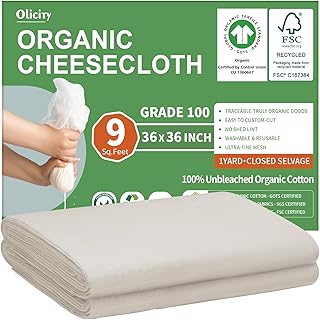
For serious culinary tasks like making soft cheeses (ricotta, paneer, queso fresco), straining yogurt, or clarifying butter to a crystal-clear state, you need the finest weave available: Grade 100 cheesecloth. Often called "butter muslin," this ultra-dense fabric ensures no fine curds or particles slip through, giving you a smooth, professional-quality product. Many of the top-rated products on the market, like the Cotton Farm Grade 100 XL Cheese Cloth, are specifically designed for this purpose, featuring a 36x36 inch size and hemmed edges for durability.
Beyond the Kitchen: Creative and Practical Uses
The uses for cheesecloth extend far beyond the stove. Its gentle, absorbent, and moldable nature makes it a favorite for home crafts and cleaning. Here are some popular applications:
Culinary Mastery: Beyond cheesemaking, use it to strain homemade broths and stocks for exceptional clarity, make nut milks, bundle bouquet garni, wrap and brine poultry (like the classic cooking turkey method), or even as a reusable cooking strainer for frying oil.
Crafting & Decor: Its gauzy texture is perfect for creating ghost costumes, dying fabric for a shabby-chic look, making sachets for dried herbs or potpourri, or as a base for paper-making and other mixed-media art projects. A pack of 12Pcs Reusable Cheese Cloths is an excellent, affordable craft supply.
Home & Garden: Use it to polish silverware, apply wood stain evenly, protect seedlings from pests, or even as a gentle, lint-free cloth for cleaning glasses and screens.
Choosing the Right Cheesecloth for Your Needs
With so many options, selecting the right one can be confusing. Here’s a quick guide based on your primary use-case:
For Fine Straining & Cheesemaking: Always opt for Grade 100. Look for keywords like "ultra-fine," "butter muslin," or "ultra-dense." Products like the Precut Cheesecloth, 15 x 15'' 4 Pack, Grade 100 are convenient and ready to use. For the eco-conscious, the Organic Cheese Cloths, GOTS Certified offer a sustainable, chemical-free choice.
For General Kitchen Tasks (Bundling, Turkey): A medium grade (like 50 or 60) is sufficient. The GoodCook Everyday 100% Cotton Cheesecloth is a popular, widely available cooking essential for these purposes.
For Crafts & Reusable Projects: Durability and hemmed edges are key to prevent fraying. Look for multi-packs with finished edges, such as the 6-Pack Beige Cheesecloth or the Mostdream Cheese Cloths 10Pcs. The hemmed edges make them truly reusable.
Bleached vs. Unbleached: What's the Difference?
You'll often see cheesecloth labeled as either bleached (white) or unbleached (natural beige). Unbleached, like the MAJESTIC CHEF Natural Cheesecloth, retains its natural cotton color and hasn't been treated with chemical whiteners, making it a preferred choice for those seeking a more natural product, especially for direct food contact. Bleached cheesecloth is stark white and may be preferred for crafts where a pure white color is desired. For most food-grade applications, either is safe, but always rinse it thoroughly in hot water before first use to remove any lint or manufacturing residues.
In conclusion, cheesecloth is a remarkably versatile and inexpensive tool that deserves a place in every home. By understanding the grades and choosing a quality product like a High-Grade 100 Cheesecloth 6-Pack, you can elevate your cooking, streamline your crafting, and tackle countless DIY projects with ease. For a deeper dive into all the possibilities, check out our comprehensive Ultimate Guide to Cheesecloth.